Articles / Understanding urticaria and angioedema


writer
Consultant Physician, Clinical Immunology and Allergy; Director of Immunology, Douglas Hanly Moir Pathology, Sydney
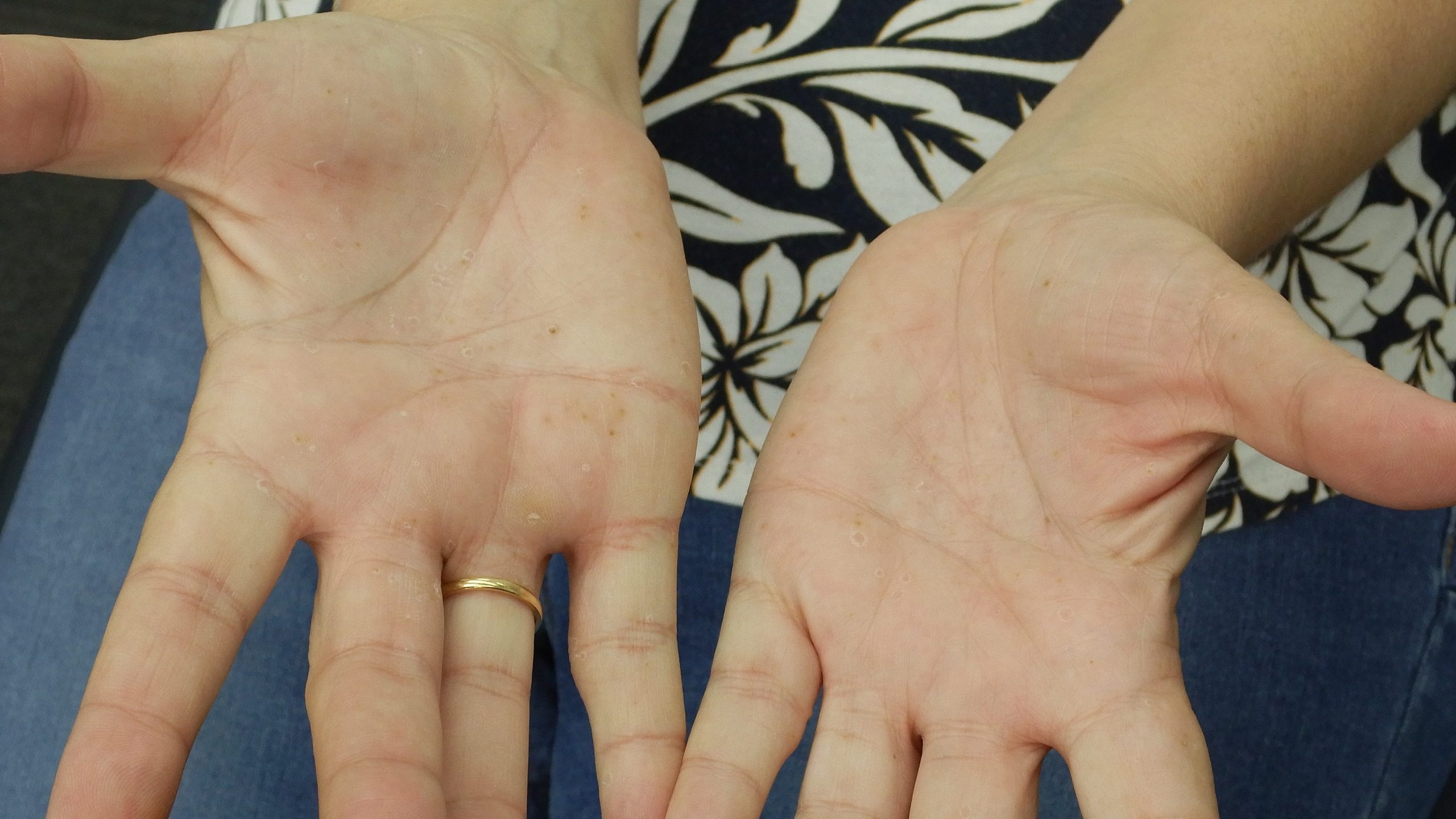
Urticarial lesions are usually intensely pruritic welts that can be generalised or localised. They normally last less than 24 hours in the one place, being migratory, and leave no residual marks on the skin. Angioedema lesions may be uncomfortable or sometimes painful and occur in the deeper dermis or mucosa and may take 72 hours to resolve.
Acute urticaria may be allergic, mediated by inappropriate IgE responses to food allergens. It usually occurs rapidly after exposure to the causative allergen: within 30-60 minutes, up to six hours and rarely eight hours.
The most common allergens are either ingested (food or oral drugs) or parenteral (bee or wasp stings or drugs, for example, penicillin). Aeroallergens are not usually the cause of allergic urticaria except when due to grains (in bakers) and latex. However, people who are allergic to grass pollen may develop localised urticaria on contact, for example, when sitting on the grass.
writer
Consultant Physician, Clinical Immunology and Allergy; Director of Immunology, Douglas Hanly Moir Pathology, Sydney

Very overestimated
Moderately/slightly overestimated
Quite accurate
Moderately/slightly underestimated
Very underestimated
Listen to expert interviews.
Click to open in a new tab
Browse the latest articles from Healthed.

Once you confirm you’ve read this article you can complete a Patient Case Review to earn 0.5 hours CPD in the Reviewing Performance (RP) category.
Select ‘Confirm & learn‘ when you have read this article in its entirety and you will be taken to begin your Patient Case Review.