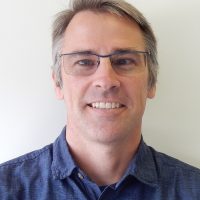
Jackson, Michael_polio_square

Michael Jackson

Clinical Health Educator, Polio Australia; California Licensed Physical Therapist, APTA Advanced Clinical Instructor, NSW Primary Teacher, QLD Justice of the Peace.
Michael Jackson is the Polio Australia Clinical Health Educator. His spent a decade practicing physiotherapy in a multi-setting rehabilitation hospital after an eight-year career in education. He was the Centre Coordinator for Clinical Education and a Lead Therapist at his facility. In his training he assisted at the Rancho Los Amigos National Rehabilitation Centre Polio Clinic, in Downey California, and has maintained an interest in polio survivors since.

Michael delivers information on post-polio health conditions to health professionals across Australia in a workshop format, to health and medical professionals in hospitals and community clinics. He is co-author of a mid-2020 MedicSA article with rehabilitation and post-polio specialist Dr Nigel Quadros, and reviewed the content of the RACGP endorsed brochure and online GP module on Late Effects of Polio prior to their publication in 2020. In partnership with University of New England researchers, he is finalising a systematic review and meta-analysis on the effect of exercise on polio survivors.

More from this expert

Last chance - $155 special ends midnight Sunday!

This is your last chance to secure discounted registration to both national seminars before prices increase on Monday! You're invited to attend Australia's most popular seminars for GPs and healthcare professionals.

Upcoming Healthed Webcast

POTS – What You Need to Know

Tuesday 17th February, 7pm - 9pm AEDT

Speaker

Prof Dennis Lau

Cardiac Electrophysiologist; The Royal Adelaide Hospital; Clinical Professor, The University of Adelaide

Hear the latest evidence-based management options for POTS - a common, yet poorly recognised and misunderstood autonomic dysfunction condition in our community. Join Prof Dennis Lau for an update on POTS, who is at risk, presenting symptoms and how it can be diagnosed in the primary care setting.