jia

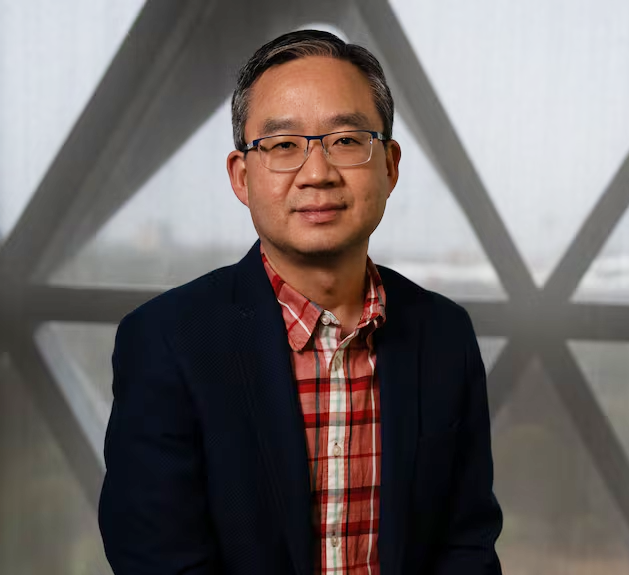
Dr Jianni Tien

Postdoctoral Research Fellow, University of Sydney
Dr. Jianni Tien is a Postdoctoral Research Fellow in the Sydney Centre for Healthy Societies at the University of Sydney. Jianni works at the intersection of science and technology studies, the feminist environmental humanities, and sociology of health. She researches the ontologies and epistemologies at work in our Anthropocene era and the power structures that underpin them, including questions of situated and enforced Western knowledges. Jianni’s doctoral research examined the affective power of scuba diving in cenotes – naturally occurring sinkholes – and how to harness such affective power in order to ethically respond to the complex dilemmas of the Anthropocene. Her current research projects include the social dimensions of innovations in nanosensing biotechnology; human-microbial relations, and the politics of the transcorporeal in lung cancer stigma.

More from this expert

Earlier this year, federal health minister Mark Butler announced a new national Lung Cancer Screening Program. The first of its kind for lung cancer, the screening program will open initially to current and former smokers aged 50 to 70 years by July 2025. It aims to save lives by detecting lung cancer earlier.

Clinical Articles iconClinical Articles

Last chance - $155 special ends midnight Sunday!

This is your last chance to secure discounted registration to both national seminars before prices increase on Monday! You're invited to attend Australia's most popular seminars for GPs and healthcare professionals.

Upcoming Healthed Webcast

POTS – What You Need to Know

Tuesday 17th February, 7pm - 9pm AEDT

Speaker

Prof Dennis Lau

Cardiac Electrophysiologist; The Royal Adelaide Hospital; Clinical Professor, The University of Adelaide

Hear the latest evidence-based management options for POTS - a common, yet poorly recognised and misunderstood autonomic dysfunction condition in our community. Join Prof Dennis Lau for an update on POTS, who is at risk, presenting symptoms and how it can be diagnosed in the primary care setting.