Articles / New Virus Putting Babies in Hospital

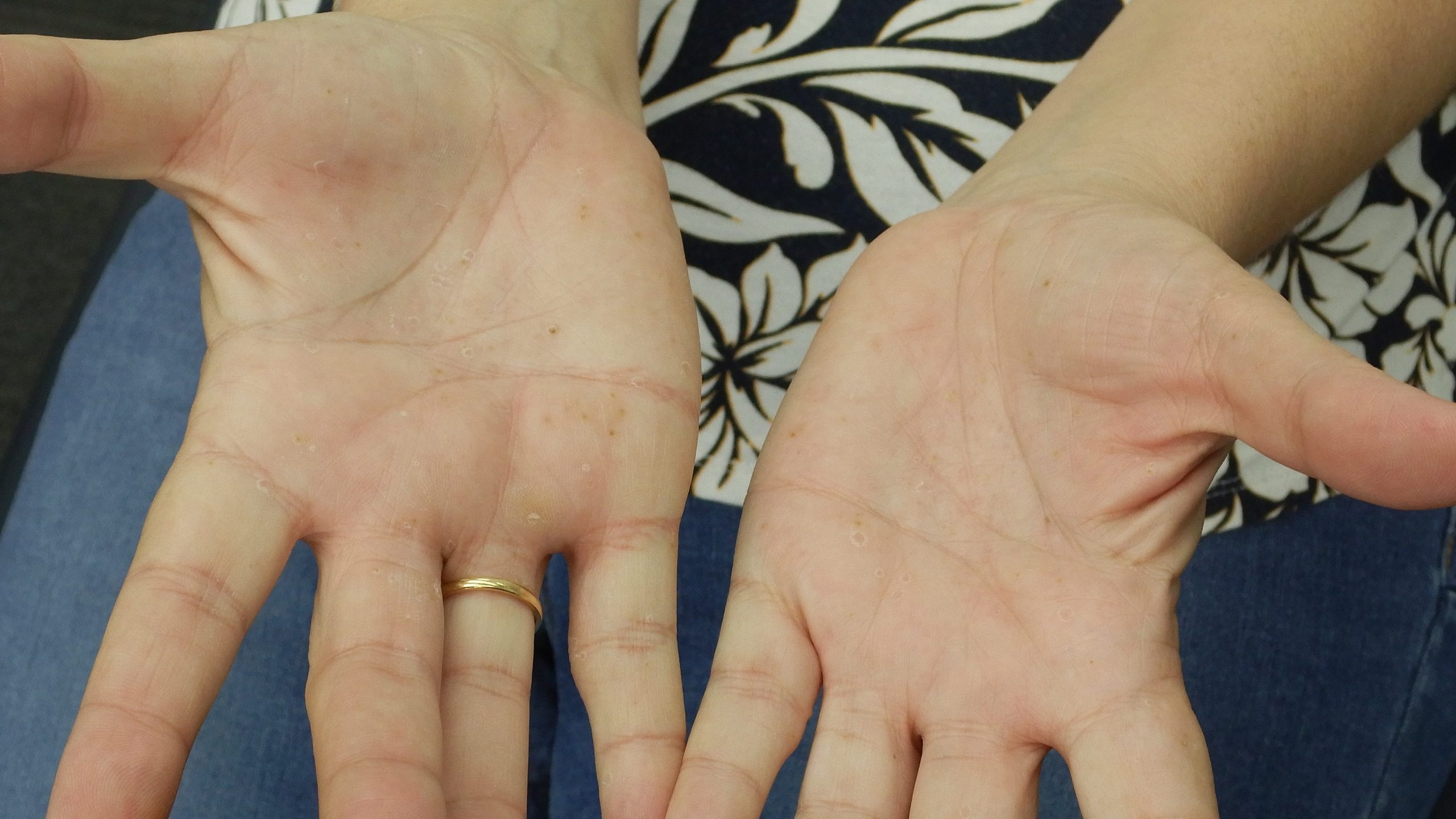
In the last few months of 2017, over 200 Australian infants were hospitalised due to infection with the little known human parechovirus, say Australian public health experts in the latest issue of the MJA.
The infected infants were admitted with conditions such as severe sepsis and meningoencephalitis. Less common presentations included acute abdomen from intussusception, pseudo-appendicitis and even bowel perforation.
According to the MJA review, parechovirus was originally included under the echovirus umbrella back in the 1960’s, but became an entity in its own right, in the 90’s. There are close to 20 genotypes of the virus, but to date only three (genotypes 1,3 and 6) are thought to cause human disease.
Very overestimated
Moderately/slightly overestimated
Quite accurate
Moderately/slightly underestimated
Very underestimated
Listen to expert interviews.
Click to open in a new tab
Browse the latest articles from Healthed.

Once you confirm you’ve read this article you can complete a Patient Case Review to earn 0.5 hours CPD in the Reviewing Performance (RP) category.
Select ‘Confirm & learn‘ when you have read this article in its entirety and you will be taken to begin your Patient Case Review.