author-placeholder

Loubaba Mamluk

Senior Research Associate, University of Bristol

More from this expert

Clinical Articles iconClinical Articles

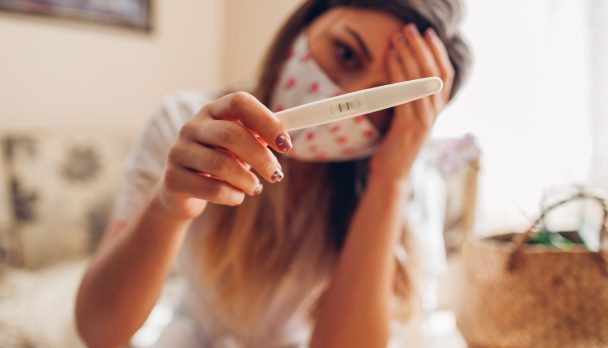
While heavy drinking is clearly harmful to the unborn baby, often leading to miscarriage, premature birth and foetal alcohol syndrome, the possible effects of light drinking have been less clear. High quality data on this issue is lacking due to ethical and methodological issues. On the one hand, experiments (clinical trials) in this area are impossible to conduct. Clinical trials would include randomising a group of pregnant women to drinking alcohol, which is clearly unethical. On the other hand, in observational studies we can never be sure whether the results are due to alcohol or other factors, such as wealth or education.

‘One glass is OK, isn’t it?’

Women often ask about “safe” levels of drinking during pregnancy. The distinction between light drinking and abstinence is indeed the point of most tension and confusion for health professionals and pregnant women, and public health guidance varies worldwide. Our new review of the evidence, published in BMJ Open, shows that this specific question is not being researched thoroughly enough. As there can be no clinical trial research carried out on this topic, we systematically reviewed all the data from a wide range of high quality observational studies. These studies involved pregnant women, or women trying to conceive, who reported on their alcohol use before the baby was born. The researchers assessed the impact of light drinking, compared with no alcohol at all.   >> Read More Source: The Conversation

While heavy drinking is clearly harmful to the unborn baby, often leading to miscarriage, premature birth and foetal alcohol syndrome, the possible effects of light drinking have been less clear. High quality data on this issue is lacking due to ethical and methodological issues. On the one hand, experiments (clinical trials) in this area are impossible to conduct. Clinical trials would include randomising a group of pregnant women to drinking alcohol, which is clearly unethical. On the other hand, in observational studies we can never be sure whether the results are due to alcohol or other factors, such as wealth or education.

‘One glass is OK, isn’t it?’

Women often ask about “safe” levels of drinking during pregnancy. The distinction between light drinking and abstinence is indeed the point of most tension and confusion for health professionals and pregnant women, and public health guidance varies worldwide. Our new review of the evidence, published in BMJ Open, shows that this specific question is not being researched thoroughly enough. As there can be no clinical trial research carried out on this topic, we systematically reviewed all the data from a wide range of high quality observational studies. These studies involved pregnant women, or women trying to conceive, who reported on their alcohol use before the baby was born. The researchers assessed the impact of light drinking, compared with no alcohol at all.   >> Read More Source: The Conversation
Clinical Articles iconClinical Articles

Last chance - $155 special ends midnight Sunday!

This is your last chance to secure discounted registration to both national seminars before prices increase on Monday! You're invited to attend Australia's most popular seminars for GPs and healthcare professionals.

Upcoming Healthed Webcast

Autism Assessment in the GP Setting

Tuesday 17th February, 7pm - 9pm AEDT

Speaker

Prof Tony Attwood

Clinical Psychologist; Adjunct Professor, Griffith University, Queensland; Senior Consultant, Minds and Hearts Clinic, Brisbane

Start your clinical year with momentum. Join Prof Tony Attwood for an expert session on autism assessment in GP. Earn up to 4 hours CPD. RACGP & ACRRM accredited.